Jan 22, 2026–
Introduction
For many districts, universal free meal programs created a safety net that kept participation high and cafeterias running smoothly. But as these programs wind down, schools face a new reality: a participation cliff. Students who were previously guaranteed meals now enter a system with multiple price tiers or eligibility requirements.
This transition presents a significant operational shift for districts. Effectively managing workflows, communications, and data capture is critical to maintaining participation, safeguarding revenue, and ensuring staff efficiency. Anticipating these dynamics allows districts to navigate the change proactively and protect both student access and financial stability.
Real Financial Stakes
When universal free meals end and paid or tiered models begin, even modest changes in daily meal counts can create meaningful budget implications. A single cafeteria—especially one serving hundreds of students—can experience a gap in reimbursable meals if adjustments to processes and communications aren’t made.
Participation directly affects sustainability. Fluctuations in counts influence purchasing decisions, staffing flexibility, and menu planning.
Participation Patterns: What Drives Change
As districts move to multi-tiered pricing, participation shifts naturally. Students and families may:
-
Take time to understand new eligibility or pricing structures
-
Adjust routines in response to cost considerations
-
Navigate application processes for subsidized meals
In districts with many students qualifying for assistance, these transitions can have noticeable effects on counts if not proactively addressed.
Some districts have piloted student-facing design changes—like grab-and-go stations, clear signage, or pre-verified identifiers—which help make meal service feel inclusive and reduce confusion. Early results suggest these adjustments support stable participation, especially during peak periods.
Frontline Operational Strain
During short lunch windows, staff are under pressure to verify eligibility efficiently. Typical workflows may include multiple steps: entering an ID, navigating a lookup screen, and confirming status.
If each transaction takes longer than expected, lines can grow, and students may take longer to get through. Rushed processes can also create inconsistencies in data capture, affecting reimbursements and inventory planning.
Operational challenges can be magnified by common interruptions—spills, frozen screens, or substitute staff unfamiliar with procedures. What may seem like minor workflow friction can translate into daily participation impacts.
Some districts are exploring simpler, one-step verification tools at the serving window, such as dedicated keypads, badges, or tap-based identifiers. These tools aim to streamline workflows, reduce complexity for staff, and maintain line speed even with rotating teams.
Financial Ripple Effects
When meal counts fluctuate, there are tangible effects on:
-
Federal and state reimbursement claims
-
Inventory and production planning, which can lead to waste or shortages
-
Menu consistency, as programs adjust to changing participation
-
Budget allocations, particularly in multi-school districts
Even small inefficiencies across multiple cafeterias can add up to significant district-level impacts.
Some districts focus on real-time alignment between POS data and meal production. Accurate, timely counts help improve forecasting, reduce waste, and enable better operational planning without adding staff.
Communication and Equity Considerations
Families navigating new meal pricing or eligibility structures may face delays, unclear balances, or confusion around applications.
Potential effects include:
-
Students taking longer to decide or skipping the line temporarily
-
Increased inquiries during service, which can slow operations
-
Staff time spent on clarifying questions or reconciling accounts
Several districts have implemented SIS-integrated parent portals that show real-time meal status, send alerts, and simplify applications. Combined with clear signage and pre-service communication, these tools help families navigate the transition smoothly and maintain equitable access without adding staff.
Data, Consistency, and Reporting Pressure
Different cafeterias may process eligibility in slightly different ways. Without standardized workflows, participation data can become inconsistent, complicating audits and reimbursement claims.
Standardized point-of-service operations—using the same inputs, sequence, and confirmation signals—stabilize data quality across sites. Automation can further reduce manual reconciliation and reporting errors, particularly in multi-site districts.
Next step to consider:
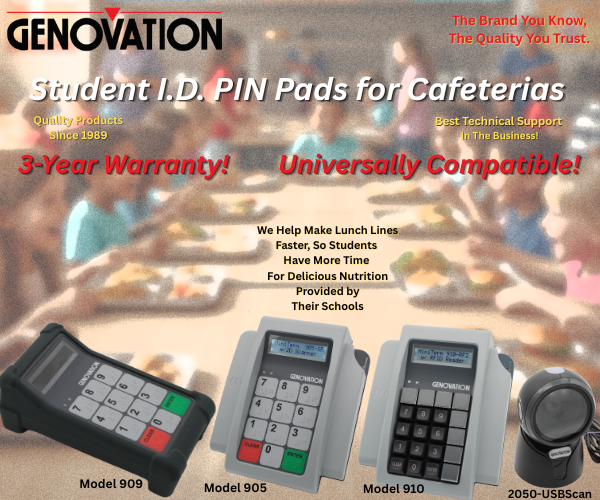
Districts adapting to multi-tiered meal models may want to evaluate dedicated tools for fast student ID capture at the serving line. Devices like the Genovation MiniTerm 905 are designed to quickly collect student identification information and support options schools commonly need—such as barcode scanning, RFID, Bluetooth connectivity, and other input methods—to streamline eligibility verification.
Reviewing this option with both IT and Nutrition Services leadership can help determine whether a standardized, one-step ID capture workflow would reduce bottlenecks, improve count accuracy, and support revenue stability:
https://www.genovation.com/product/miniterm-905-12-key-membrane/